Why luxury moved its calendar
For years the high-end European travel calendar was rigid: July and August by the sea, December and February on the snow, everything else written off as low season. That calendar has broken. Network data from luxury operators shows autumn 2026 bookings up around thirty per cent year on year, with sales value close to forty per cent higher. September and October now behave like peak months.
The reason is not price. Affluent travellers have developed a sharp sensitivity to overcrowding and prefer to see a famous destination when it is quiet, even at the same cost they would pay in August. The French Riviera is the clearest example: September hotel occupancy along the coast stays between eighty and eighty-five per cent, with international flight bookings for September and October running ahead of the previous year.
The supply side mirrors the shift. The Riviera's 2026 tourism plan speaks openly of an extended season and a year-round destination, while in Italy the places most exposed to mass tourism are introducing booking systems and crowd-control measures that make the central months less comfortable than they used to be.
What actually changes on the road
Anyone travelling by car notices it first. On Lake Como the Strada Regina in August is one continuous queue; in mid-October the same road takes the time it deserves. Ferry queues between Bellagio, Varenna and Menaggio shorten, parking near the villas becomes available again, restaurants take bookings two days ahead instead of three weeks.
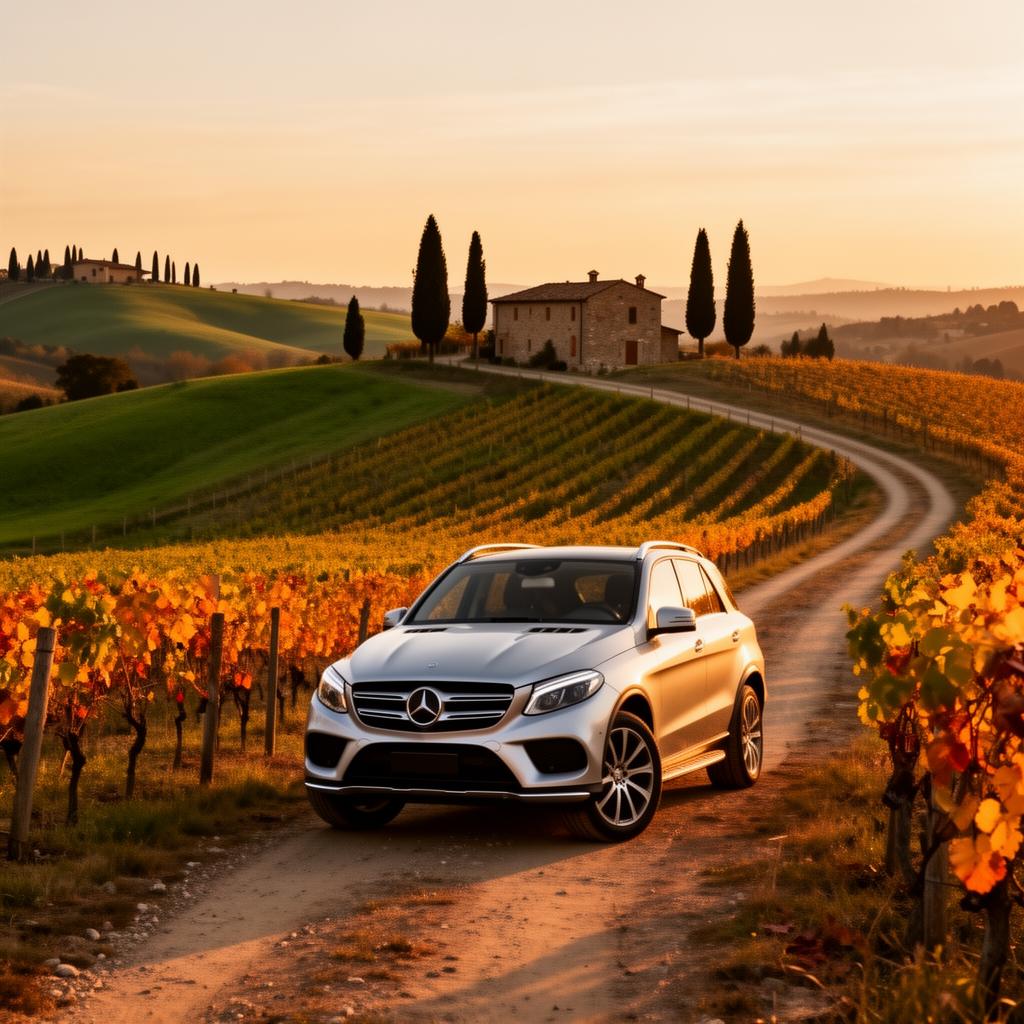
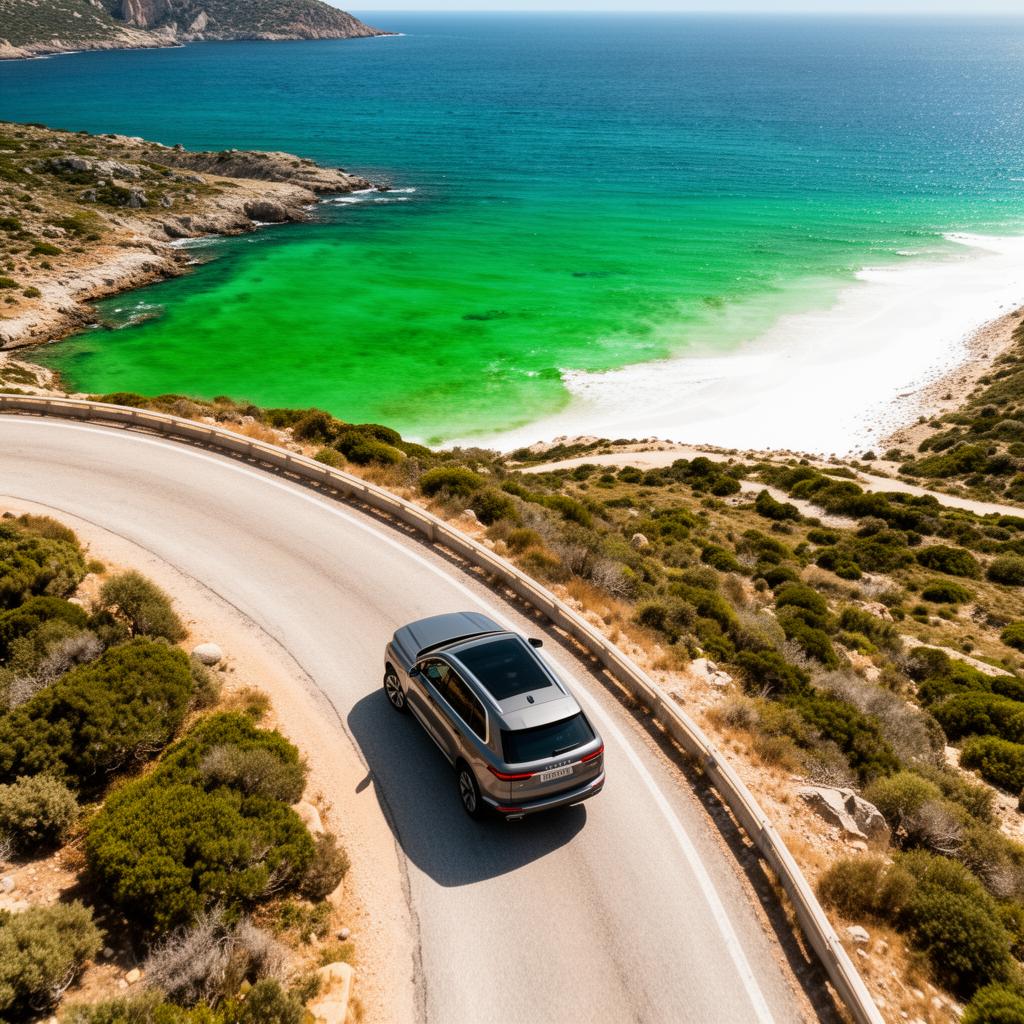
The same applies on the Riviera: the Moyenne Corniche between Nice and Èze is an exercise in patience at the height of summer and one of Europe's finest drives in October. In Tuscany the season coincides with the grape harvest and the first truffles, when the roads between Chianti and Val d'Orcia clear of coaches.
This is precisely the condition in which self-drive is at its best. The car stops being a logistical constraint and goes back to being the way you see the place: the value of these months is the freedom to stop wherever you like, and that freedom only comes from driving yourself.
Alpine passes: the last window of the year
September and October are also the final window for the high passes. The great Swiss passes, Furka, Grimsel and Susten, are normally open from mid-May until October, weather permitting, and the same holds for the Stelvio and the Gavia on the Italian side. From November most of them close.
Anyone wanting to link Italy and Switzerland in a single itinerary therefore has a narrow and valuable window. Worth remembering: the Swiss motorway vignette, forty francs for 2026, covers motorways and expressways but is not required on the scenic passes or on cantonal roads.
Weather at altitude changes fast: a clear day in the valley can mean fresh snow at two thousand metres. Pass status should be checked on the day of the crossing, not at the time of booking.
Three autumn itineraries across Italy, France and Switzerland
The first links Lake Como and Valtellina: leave Milan, climb the western shore of the lake, then Sondrio and Valtellina's terraced vineyards, returning over the Aprica pass. It suits anyone who wants foliage and driveable roads without straying far from a major airport.
The second is Tuscan: Florence, Chianti, Val d'Orcia and Montalcino during the harvest weeks, with October and November bringing white truffle season. Short distances, gravel roads that call for an SUV, and wineries that in this season genuinely receive guests instead of managing crowds.
The third is Franco-Monegasque: Nice, Èze, Monaco and the Mercantour hinterland, in a month that brings the Cannes Yachting Festival and the Monaco Yacht Show to the coast. This is when the Riviera is still fully open but without August traffic.
What changes about hiring outside peak months
Availability improves, and with it choice. In August the most requested models sell out weeks ahead; in September and October the same request is answered faster and with more alternatives in the same segment.
Equipment changes, though. From 15 November to 15 April most of the Italian road network requires winter tyres or chains on board, and at altitude the requirement can start earlier. An itinerary touching the passes in late October should be planned with that in mind.
Everything else stays the same: a proposal with the price settled before confirmation, traceable deposit and balance payments, documents uploaded to a private area, the security deposit communicated with clear rules, and delivery wherever you need it, at a hotel, a villa or an airport. Write to the concierge with your dates and destination for a tailored proposal.